
Chemical Peels 101: What They Do, Who They're For And How to Choose the Right Peel
If your skin has been looking a little dull, feeling rough, or showing more uneven texture than usual, a chemical peel may be worth exploring. Chemical peels help exfoliate the skin, encourage cell turnover, and improve the appearance of common concerns like discoloration, fine lines, and breakouts.
At The Skin Hut in Kailua, we believe good skincare starts with understanding your skin and choosing treatments that support its needs. Here's what to know about chemical peels, how they work, and how to find the right option for your skin.
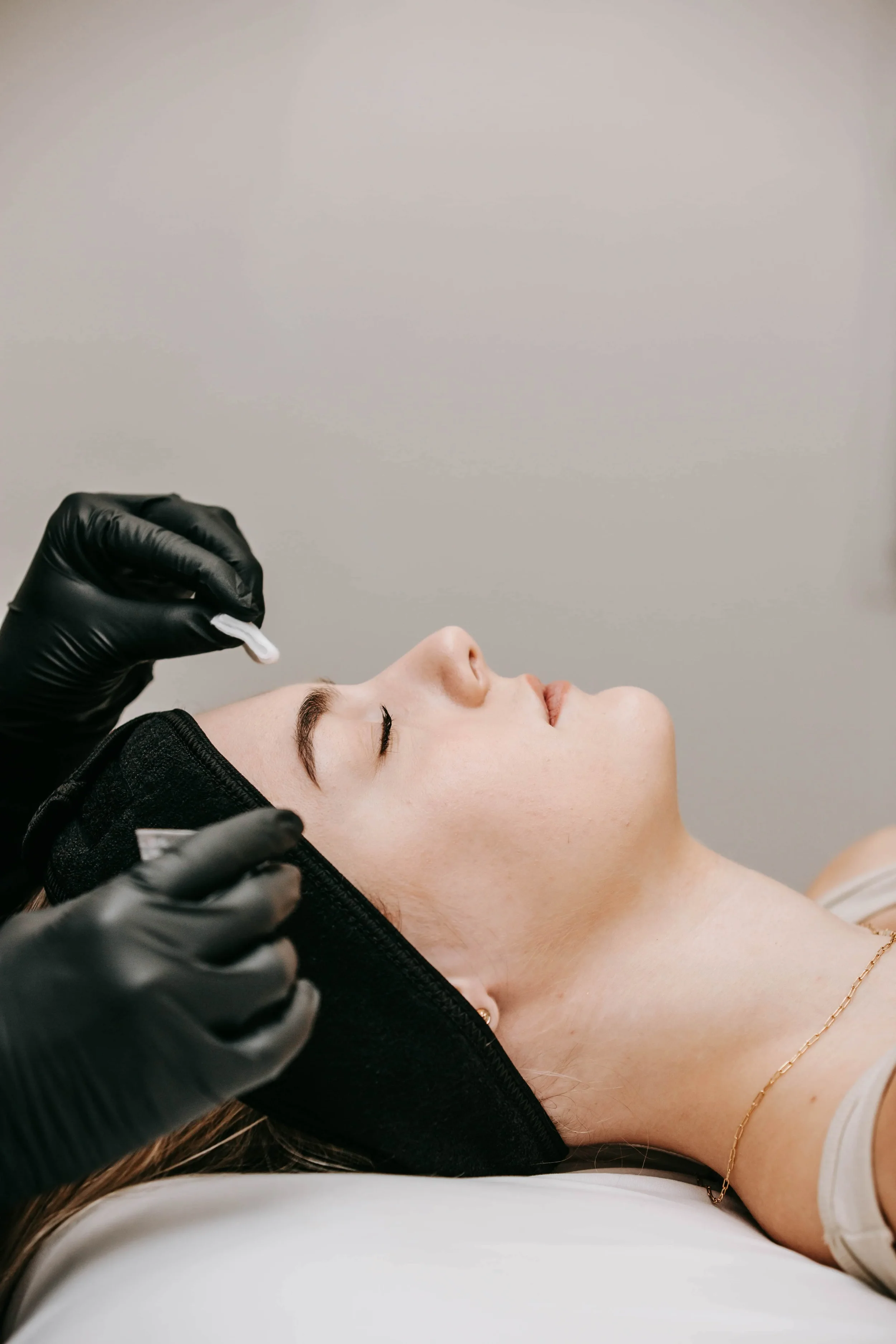
What Is a Chemical Peel?
A chemical peel is a professional skincare treatment that uses carefully selected acids or other exfoliating ingredients to remove dead skin cells from the skin's surface. Depending on the formulation and depth of the peel, it can also target concerns within the upper layers of the skin.
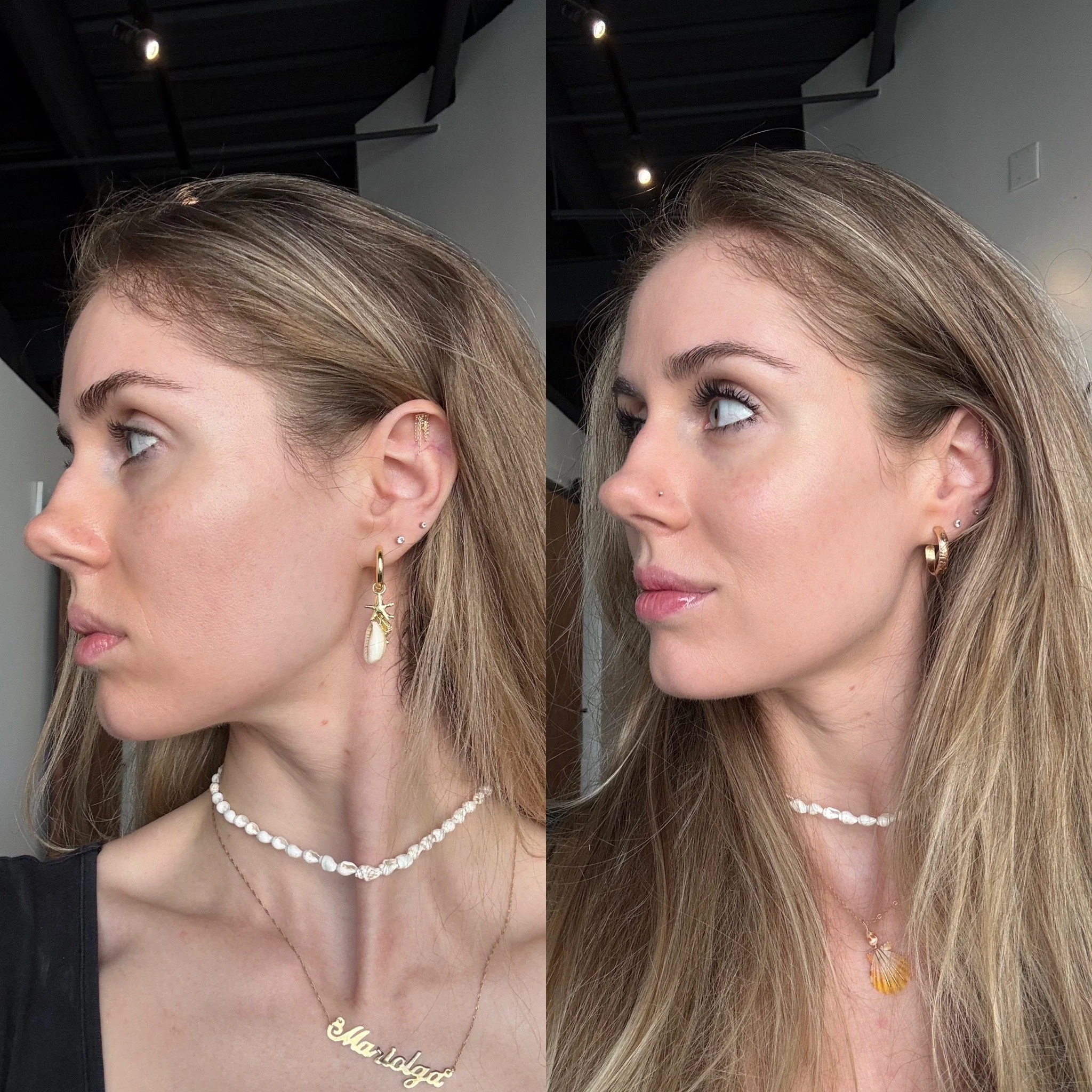
By removing accumulated dead skin cells, chemical peels can help improve skin texture, brighten the complexion, and make uneven tone less noticeable. Some formulations are also designed to address clogged pores and blemish-prone skin.
Peels vary in strength and purpose. A lighter peel may leave your skin looking refreshed with minimal downtime, while a more intensive treatment may require several days of recovery. Your provider can help determine which approach makes sense for your skin.
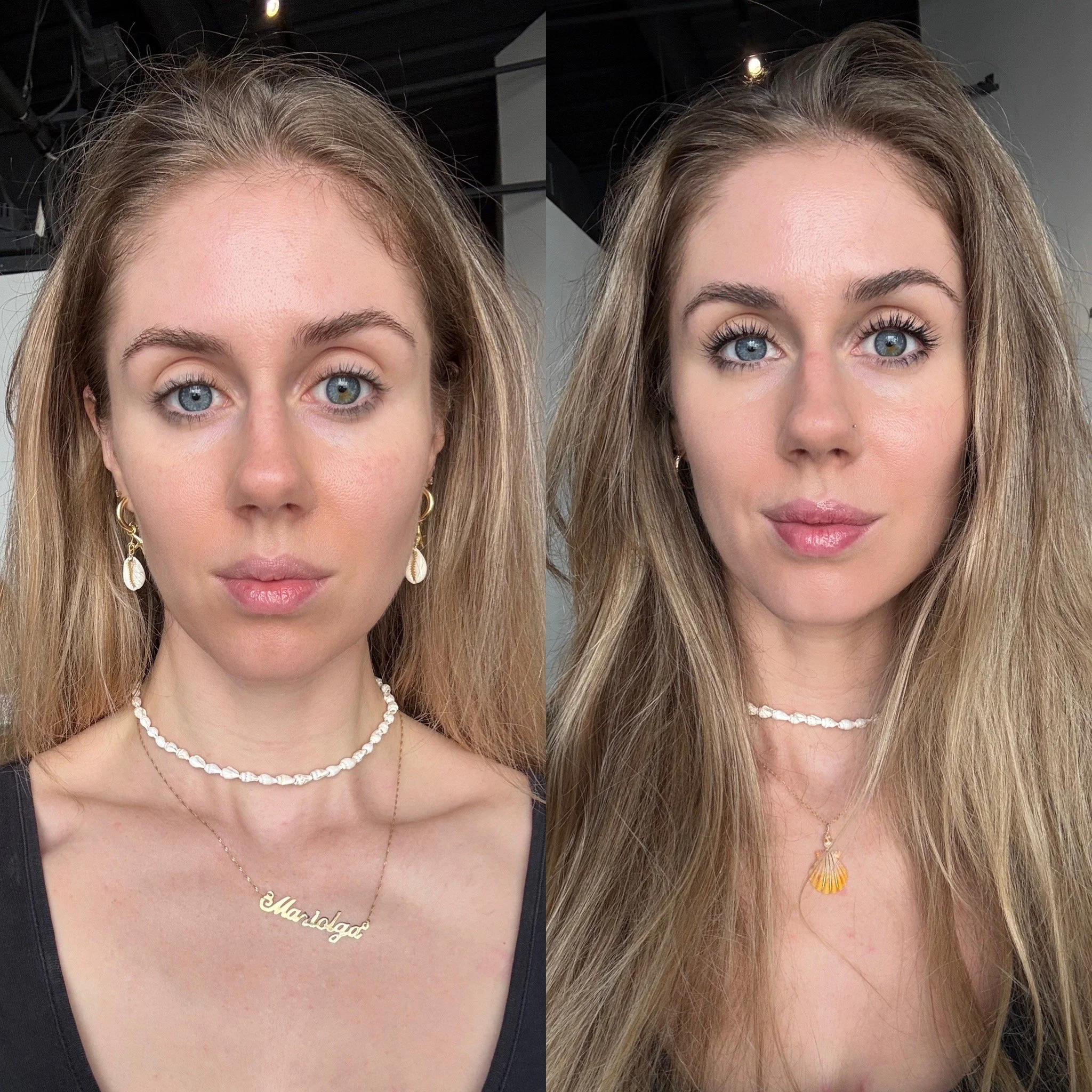
What Can Chemical Peels Help With?
Chemical peels can be customized to address several common skin concerns.
Dull or uneven skin tone
Dead skin cell buildup can leave your complexion looking lackluster. Exfoliation helps reveal fresher-looking skin and can improve the appearance of uneven tone over time.
Dark spots and discoloration
Certain peels can help reduce the appearance of post-breakout marks, sun-related discoloration, and other forms of uneven pigmentation. Results depend on the cause of the discoloration, the peel selected, and consistent home care.
Acne-prone skin and clogged pores
Ingredients such as salicylic acid can help exfoliate inside the pores, making them useful for some people dealing with congestion and blemishes. A peel may complement an acne-focused skincare routine, although it is not a standalone cure for acne.
Rough texture and visible fine lines
Professional exfoliation can help smooth the appearance of rough skin and soften the look of some fine lines. More pronounced concerns may require a series of treatments or a different approach.
Signs of sun exposure
Living in Hawaii means spending time outdoors, and regular sun exposure can contribute to uneven pigmentation, rough texture, and premature visible signs of aging. Certain peels may help improve these concerns, but daily sun protection remains essential for maintaining results.
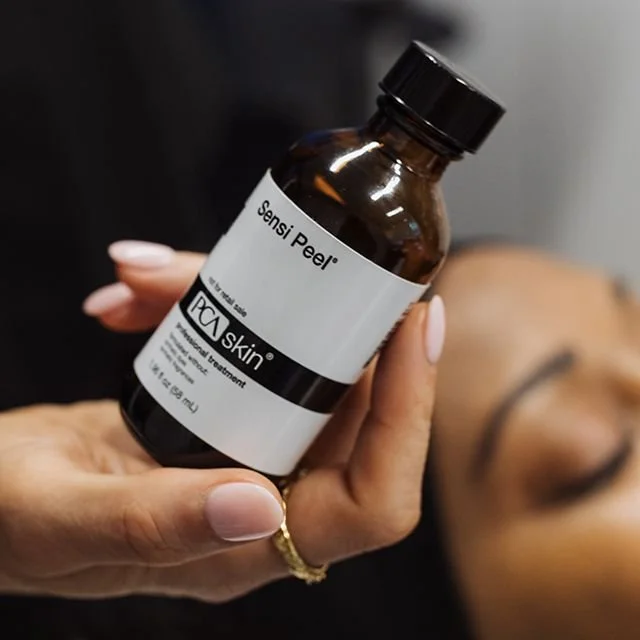
How Do You Choose the Right Chemical Peel?
Not every peel is designed to do the same thing. The best option depends on your skin's current condition, your goals, your sensitivity level, and how much recovery time you can accommodate.
At The Skin Hut, our chemical peel offerings include three options: Refresh, Renew, and Transformative.
Refresh Peel
$130 per treatment | Package of 3 for $330
The Refresh Peel is a starting point for clients looking to incorporate professional exfoliation into their skincare routine. It may be a good fit for those hoping to improve dullness and surface texture with a treatment suited to their skin's tolerance.
Your provider can help determine whether this option is appropriate for your current concerns and experience with exfoliating treatments.
Renew Peel
$185 per treatment | Package of 3 for $470
The Renew Peel is another option for clients looking to address ongoing skin concerns with a more targeted treatment plan. Depending on the formulation and your skin's needs, professional peels may help improve the appearance of uneven tone, congestion, or texture.
A consultation helps establish realistic expectations and determine whether this peel is the right fit for you.
Transformative Peel
$220 per treatment | Package of 3 for $560
The Transformative Peel is an option for clients seeking a more targeted approach to their skincare goals. Your provider will assess your skin, discuss your concerns, and determine whether this treatment is appropriate.
Stronger treatments are not automatically better for every skin type. The goal is to select a peel that supports your skin without causing unnecessary irritation or compromising your skin barrier.
Treatment recommendations and expected results vary by individual. Your provider will help determine the most appropriate peel based on your skin's needs and the specific treatment formulation.
What Happens During a Chemical Peel?
Your appointment typically begins with an assessment of your skin, including your current concerns, skincare routine, and any recent treatments that could affect your skin's sensitivity.
After cleansing, your provider applies the selected peel according to its specific protocol. You may experience mild tingling, warmth, or a temporary stinging sensation, depending on the product used.
The treatment is then neutralized or removed as directed by the product protocol, and appropriate post-treatment skincare is applied.
Your provider will also review aftercare instructions so you know what to expect over the following days.
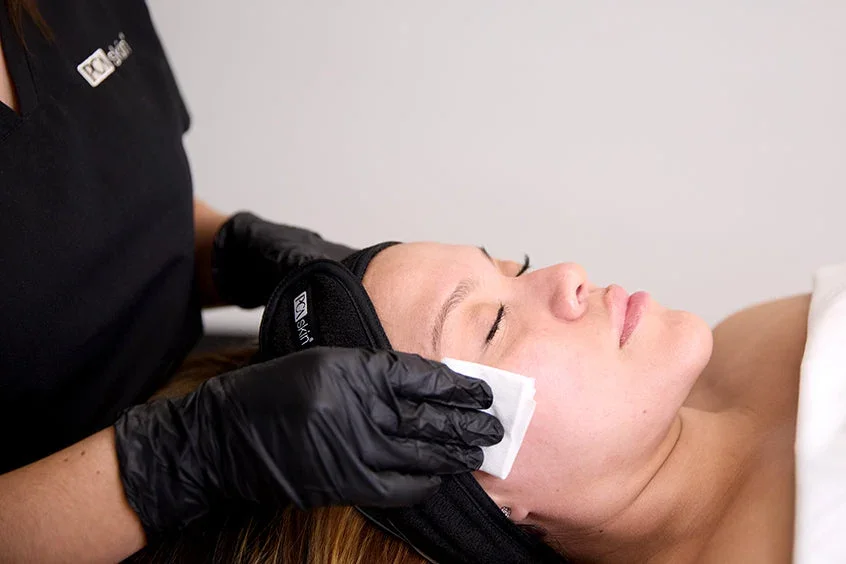
What Is the Recovery Process Like?
Recovery varies depending on the peel's formulation, strength, and your individual skin response.
After a lighter peel, you may notice mild redness, dryness, or subtle flaking. More intensive peels can cause more noticeable peeling and require additional downtime.
During recovery, keep your routine simple and follow your provider's instructions. Avoid picking or pulling at peeling skin, and hold off on retinoids, exfoliating acids, scrubs, and other potentially irritating products until your provider says it is safe to resume them.
Daily broad-spectrum SPF 30 or higher is especially important after a peel. Hawaii's UV exposure can make recently treated skin more vulnerable to sun damage and post-inflammatory hyperpigmentation. Limit direct sun exposure while your skin heals, and use protective clothing and shade when outdoors.
Plan your treatment around upcoming events, beach days, and outdoor activities. Your provider can help you choose a suitable appointment date based on the treatment and anticipated recovery time.
Are Chemical Peels Suitable for Sensitive Skin?
Some people with sensitive skin can benefit from professional exfoliation, but a chemical peel is not appropriate for everyone or every skin condition.
If your skin is currently irritated, sunburned, or experiencing a flare-up, treatment may need to be postponed. Certain medications, recent procedures, a history of cold sores, and conditions that affect healing can also influence whether a peel is appropriate.
People with deeper skin tones may be more susceptible to post-inflammatory hyperpigmentation after irritation or injury. Careful product selection, appropriate treatment settings, and professional guidance are particularly important.
Be sure to share your full skincare routine with your provider, including prescription products, retinoids, recent exfoliation, and any recent waxing, laser treatments, or other procedures. This helps your provider assess potential risks and recommend the safest approach.
How to Care for Your Skin After a Chemical Peel
Your post-peel routine can make a difference in how comfortably your skin recovers.
Keep your routine gentle. Use a mild cleanser and a moisturizer that supports your skin barrier. Avoid introducing new active ingredients while your skin is healing.
Wear sunscreen every day. Apply broad-spectrum SPF 30 or higher and reapply at least every two hours when outdoors, or more frequently after swimming or sweating, according to the product directions.
Give your skin time to recover. Avoid exfoliating brushes, scrubs, and active ingredients until your provider confirms that your skin is ready.
Stay hydrated and avoid picking. Allow any peeling skin to shed naturally. Pulling at flakes can increase irritation and the risk of discoloration or scarring.
Follow your provider's instructions. If you experience severe pain, blistering, increasing swelling, or symptoms that concern you, contact your provider promptly and seek medical advice as appropriate.
How Often Should You Get a Chemical Peel?
The recommended frequency depends on the peel, your skin's tolerance, and the concerns you're addressing. Some clients may benefit from a series of treatments spaced several weeks apart, while others may need less frequent appointments.
A package can make sense when a series is recommended, but it is best to establish your treatment plan before committing. Your provider can help determine an appropriate schedule and adjust it based on how your skin responds.
Consistent home care also matters. Professional treatments work best as part of a routine that supports your skin between appointments.
Ready to Find Your Best-Fit Peel?
Healthy-looking skin starts with choosing treatments that make sense for you. At The Skin Hut in Kailua, we can help you explore our Refresh, Renew, and Transformative peels and determine which option aligns with your skin concerns and goals.
If you're curious about professional exfoliation or ready to give your skincare routine a refresh, reach out to The Skin Hut to schedule a consultation.
The Skin Hut
Kailua, Oahu, Hawaii
Your skin is unique. Treatment recommendations, results, and recovery times vary, and a professional assessment is the best place to start.