
Red Light Therapy in Kailua: The Science-Backed Secret to Glowing, Youthful Skin
If you've spent any time researching anti-aging skincare lately, you've probably come across red light therapy. It's showing up everywhere — in dermatology offices, luxury spas, and now, in at-home devices — and for good reason. Research suggests this gentle, non-invasive treatment can support collagen production, calm inflammation, and improve the overall look and feel of your skin, all without needles, downtime, or harsh chemicals.
At The Skin Hut, our boutique facial studio in Kailua, Oahu, we've added professional-grade red light therapy Oahu clients can now access as part of any facial. Whether you're local to Windward Oahu or visiting from off-island, this guide walks through what red light therapy actually is, what the research says it can do, and how to get the most out of it — whether that's in our studio or with our new high-dose LED mask at home.
What Is Red Light Therapy?
Red light therapy (also called low-level light therapy or photobiomodulation) is a skincare treatment that uses specific wavelengths of red and near-infrared light to stimulate activity inside skin cells. Unlike UV light — which damages skin and accelerates aging — red light therapy uses non-UV wavelengths that are generally considered safe for regular use.
In simple terms: red light therapy delivers light energy to your skin's cells, and those cells respond by working more efficiently. That means more collagen, better repair, and calmer, healthier-looking skin over time.
It's become a go-to option for people looking for anti-aging skincare that doesn't involve injections or downtime, and it pairs especially well with the kind of sun exposure those of us living an island lifestyle in Hawaii deal with year-round.
How Red Light Therapy Works
Here's the science, explained simply.
Your skin cells contain mitochondria — the "engines" that produce energy for cellular repair and function. Red and near-infrared light (typically in the 630–850 nanometer range) penetrates the skin and is absorbed by these mitochondria, which respond by producing more ATP (adenosine triphosphate), the fuel your cells use to do their job.
More cellular energy means:
Fibroblasts (the cells responsible for collagen and elastin) become more active
Inflammation-signaling pathways calm down
Skin's natural repair and renewal processes speed up
This is why red light therapy is often described as working with your skin's biology, rather than overriding it the way more aggressive treatments do.
What Wavelength Is Best?
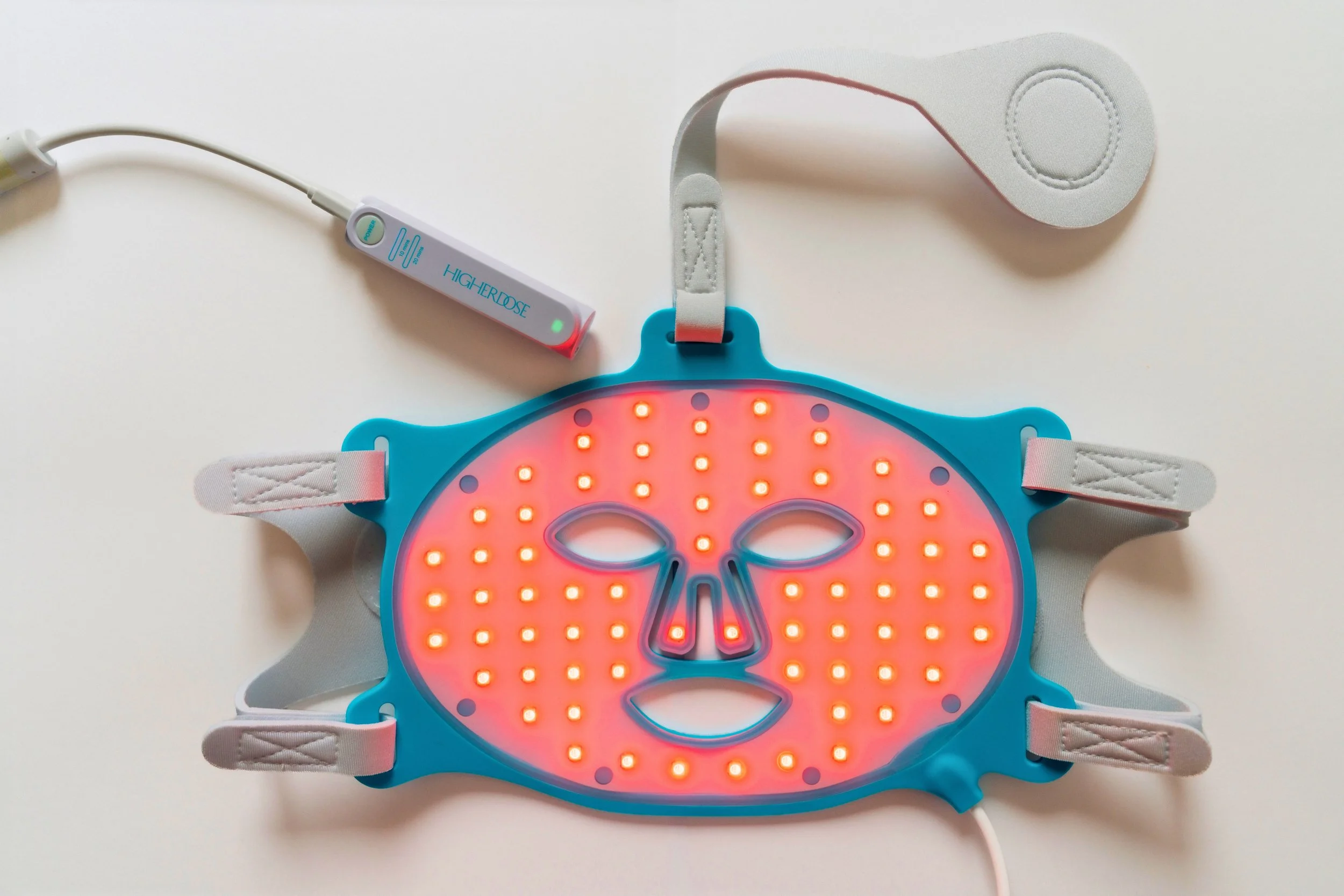
Research on LED light therapy facial treatments generally points to two effective ranges:
Red light (630–660 nm): Penetrates the upper layers of skin and is closely associated with collagen stimulation, tone, and texture improvement.
Near-infrared light (810–850 nm): Penetrates more deeply and is often linked to inflammation reduction and deeper tissue repair.
Many professional and clinical-grade devices combine both wavelengths for a more complete effect — which is one of the key differences between a professional treatment and a basic consumer device.
Does Red Light Therapy Actually Work?
This is the question we hear most, and it's a fair one — skincare is full of trends that don't hold up. Red light therapy is a bit different: it has a growing body of clinical research behind it.
A 2023 clinical study found that twice-weekly LED mask use over 12 weeks produced meaningful improvements in fine lines, collagen density, and skin firmness. More recent research, including a 2025 meta-analysis, found that consistent LED light use also produced significant reductions in acne over several weeks of use. Studies have also shown that combining red and blue light can be more effective for acne-prone skin than red light alone, since blue light targets acne-causing bacteria while red light works on the inflammation underneath.
To be clear: red light therapy is not a miracle cure, and results build gradually with consistent use — it's not a single-session transformation. But the research base for it is more substantial than for most at-home beauty devices on the market, which is part of why it's earned a place in professional skincare studios like ours.
Is Red Light Therapy Safe?
Yes, for most people, red light therapy is considered safe for regular use. Because it doesn't use UV wavelengths, it doesn't carry the skin cancer risk associated with tanning beds or unprotected sun exposure — something we think about carefully here in Hawaii, where sun exposure is already a daily reality.
That said, a few groups should check with a physician before starting red light therapy:
People taking photosensitizing medications (certain antibiotics, acne medications, or blood pressure medications)
People with a history of photosensitive epilepsy
People with active skin cancer or suspicious lesions in the treatment area
Pregnant clients, particularly for treatment directed at the abdomen
People with autoimmune conditions like lupus, who should consult their doctor first
If any of this applies to you, mention it during your consultation — our estheticians will always tailor your treatment plan accordingly.
What Skin Concerns Does Red Light Therapy Help?
Research and clinical use point to red light therapy offering support for a range of concerns relevant to both anti-aging skincare and general skin health.
Collagen Production
This is where red light therapy really shines. Studies have shown measurable increases in collagen density with consistent LED use — and since collagen is the structural protein responsible for skin's firmness and elasticity, this is a foundational benefit that supports nearly everything else on this list.
Fine Lines and Wrinkles
By supporting collagen and elastin production, red light therapy has been shown in clinical trials to reduce the appearance of fine lines, particularly around the eyes (crow's feet) and mouth, with regular use over several weeks.
Acne
Red light's anti-inflammatory effects can help calm active breakouts and reduce redness, while paired blue light treatments target acne-causing bacteria directly. This makes it a strong complement to a broader acne treatment plan rather than a standalone fix.
Redness and Sensitivity
Because red light therapy has been shown to support skin barrier function and calm inflammatory pathways, it's often well tolerated by sensitive or reactive skin — including skin dealing with post-sun redness, a common concern for anyone spending time outdoors on Oahu.
Inflammation Reduction
Chronic, low-grade inflammation is a major contributor to visible aging and breakouts alike. Red light therapy's effect on cellular signaling is one of the more consistently supported mechanisms in the current research around inflammation reduction.
Skin Healing
By increasing cellular energy and supporting circulation, red light therapy may help support the skin's natural healing response — which is part of why it's frequently used as a calming, restorative add-on after more intensive facials or exfoliating treatments.
Overall Skin Health
Beyond any single concern, the cumulative effect of consistent red light exposure is skin that simply functions better — more resilient, more balanced, and better equipped to handle the demands of healthy skin maintenance in a humid, sun-intensive climate like Hawaii's.
Professional vs. At-Home Red Light Therapy
This is one of the most common questions we get, and the honest answer is: both have a place, but they're not interchangeable.
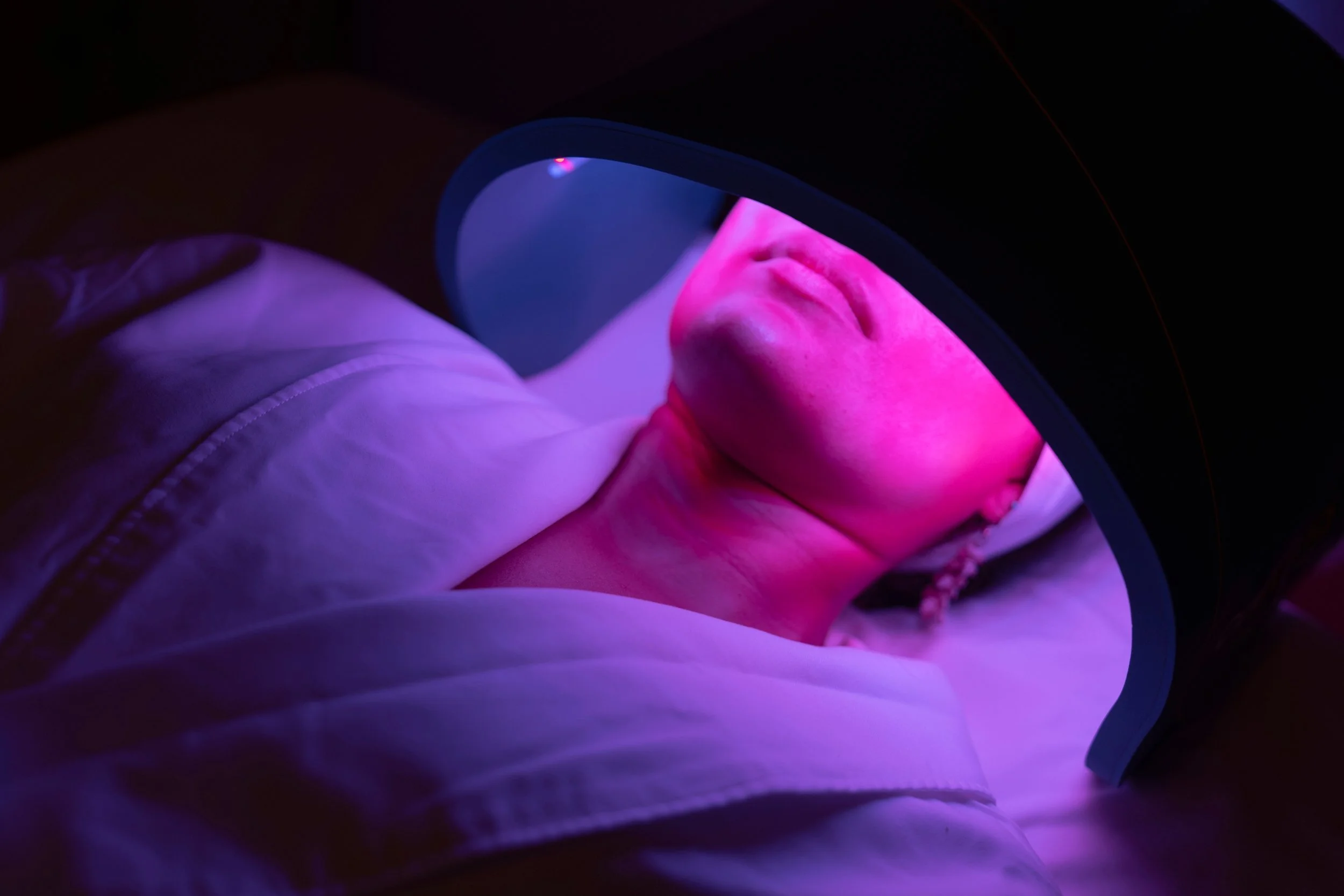
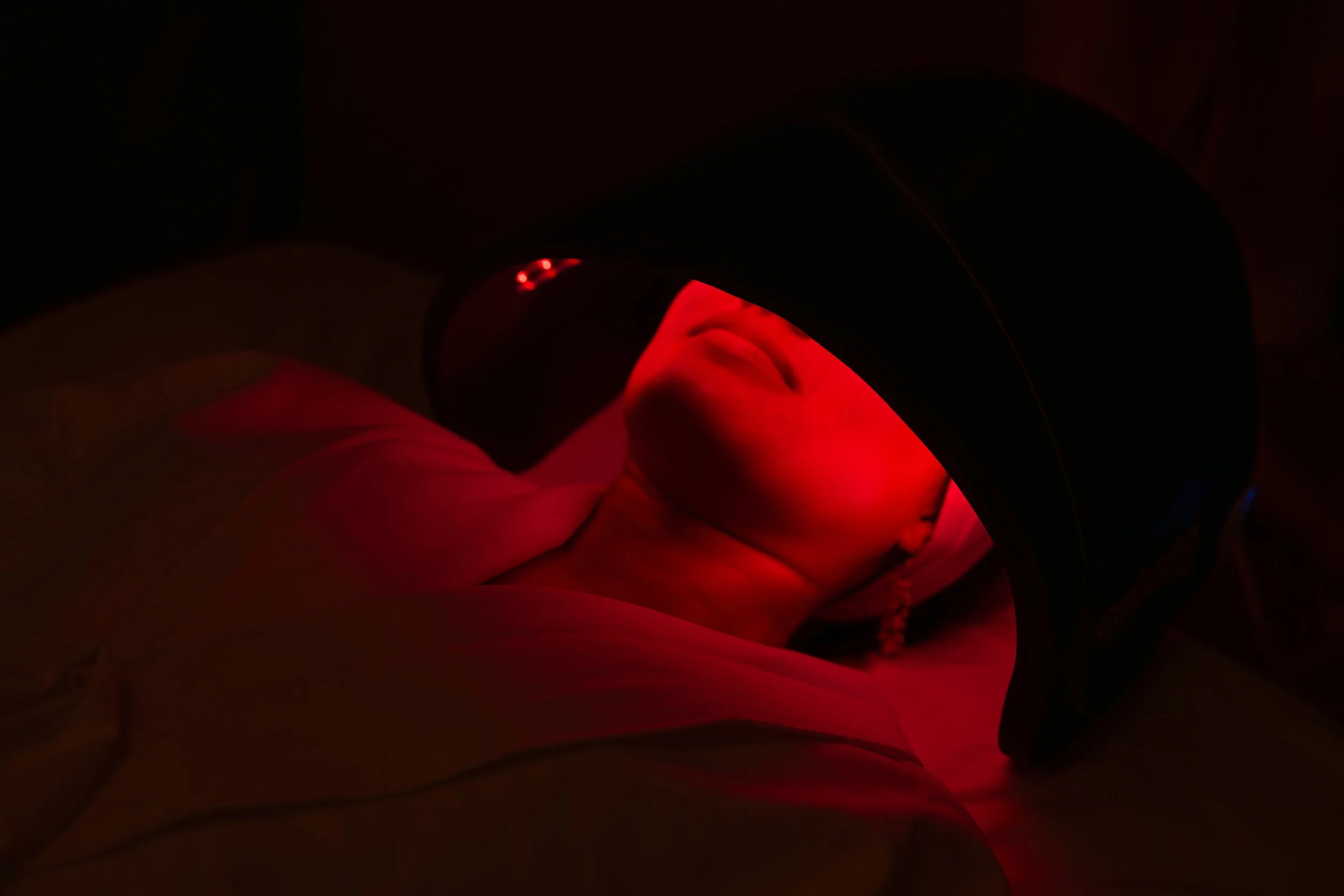
Professional-grade devices, like the Celluma LED system we use at The Skin Hut, are typically more powerful than consumer devices. They deliver a clinically calibrated dose of light energy in a shorter session and are administered by a trained esthetician who can pair the treatment with the rest of your facial — cleansing, extractions, exfoliation, and product application — so the light therapy is working on skin that's already prepped for treatment.
At-home devices, including our own high-dose LED mask, are excellent for maintaining results between appointments. They're lower-powered by design (for safety in unsupervised use), which means consistency matters more — you'll get the best results using them regularly rather than occasionally.
Think of it this way: your professional treatment sets the foundation, and consistent at-home use helps you maintain and build on it. Neither fully replaces the other.
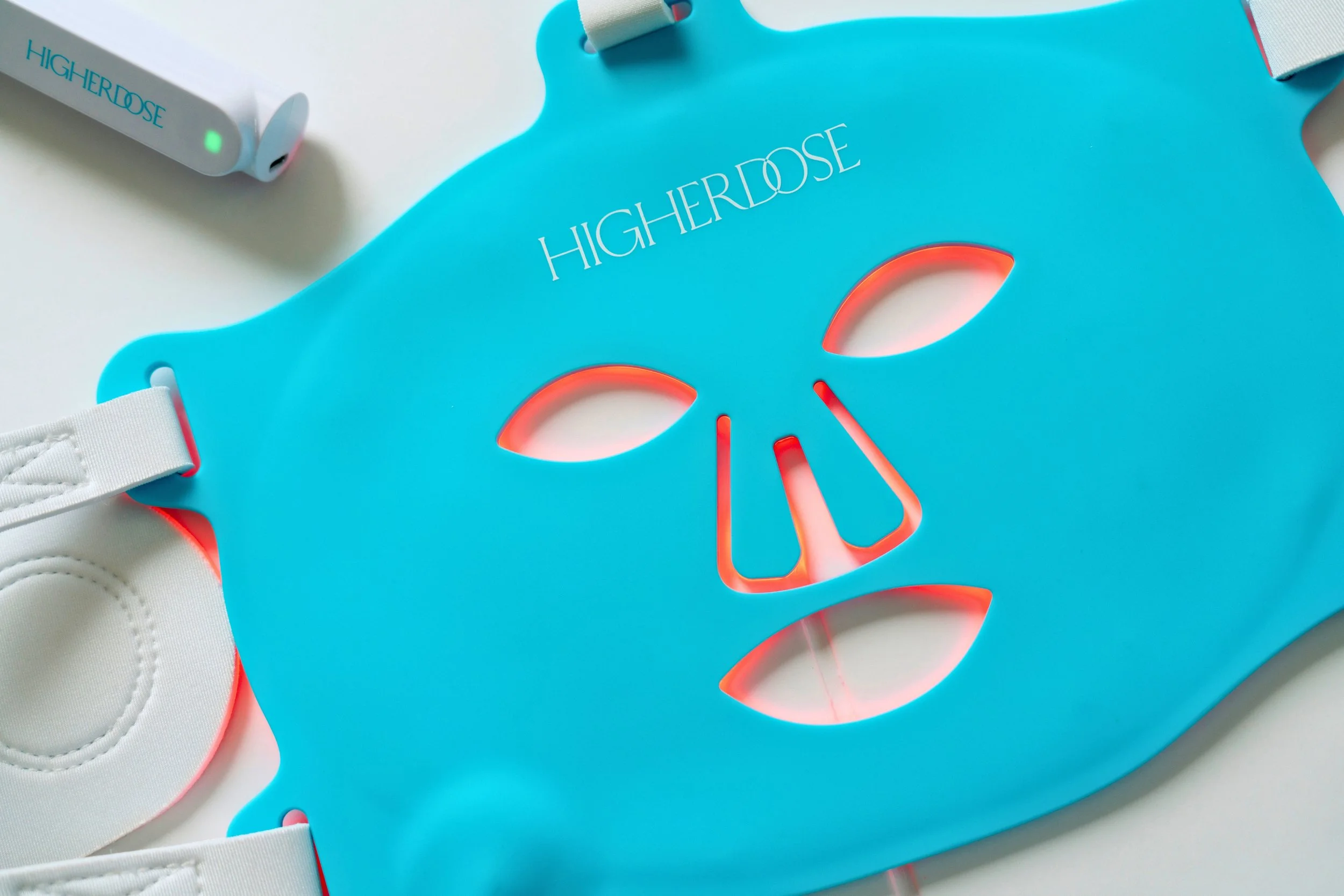
Introducing Our High-Dose LED Mask
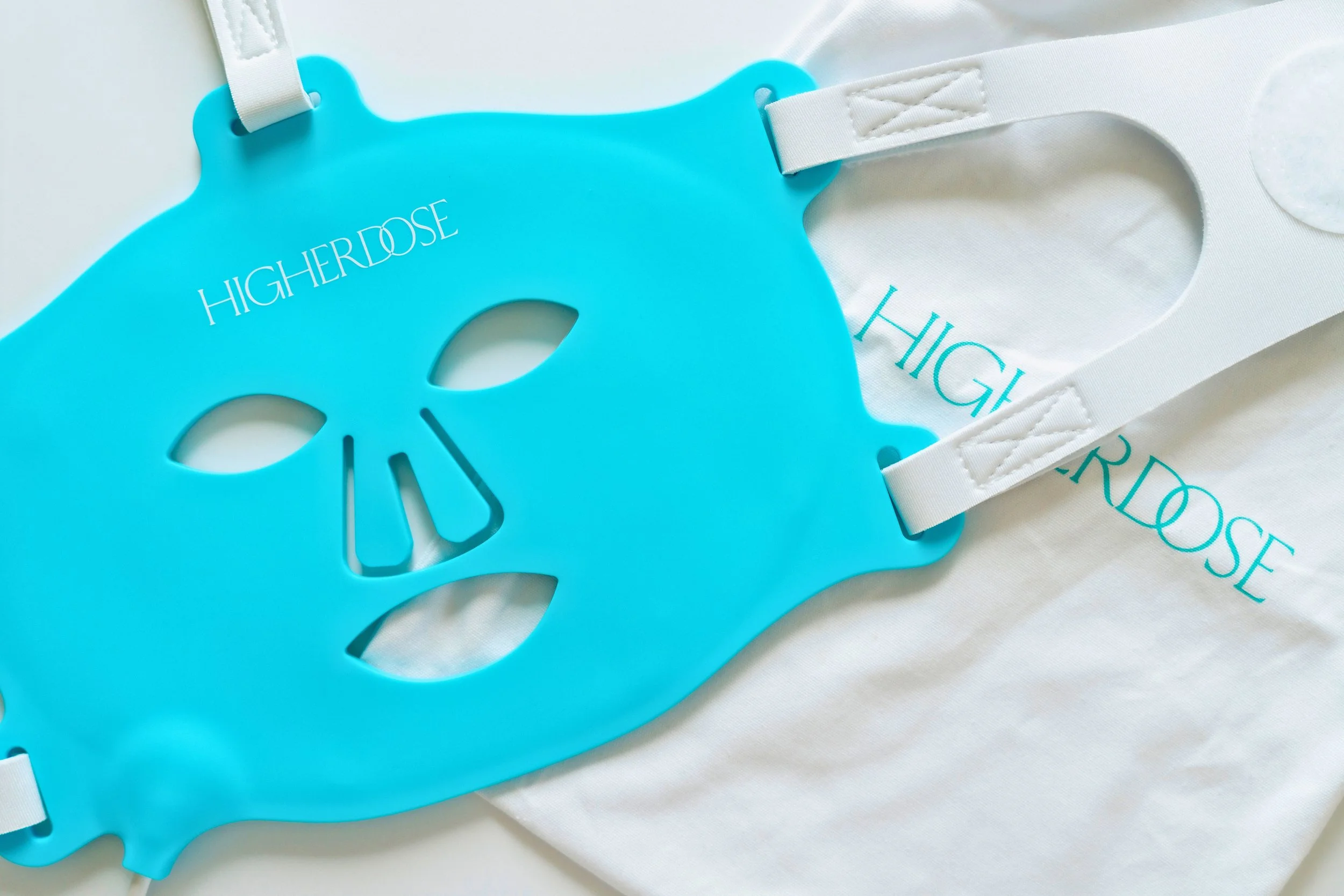
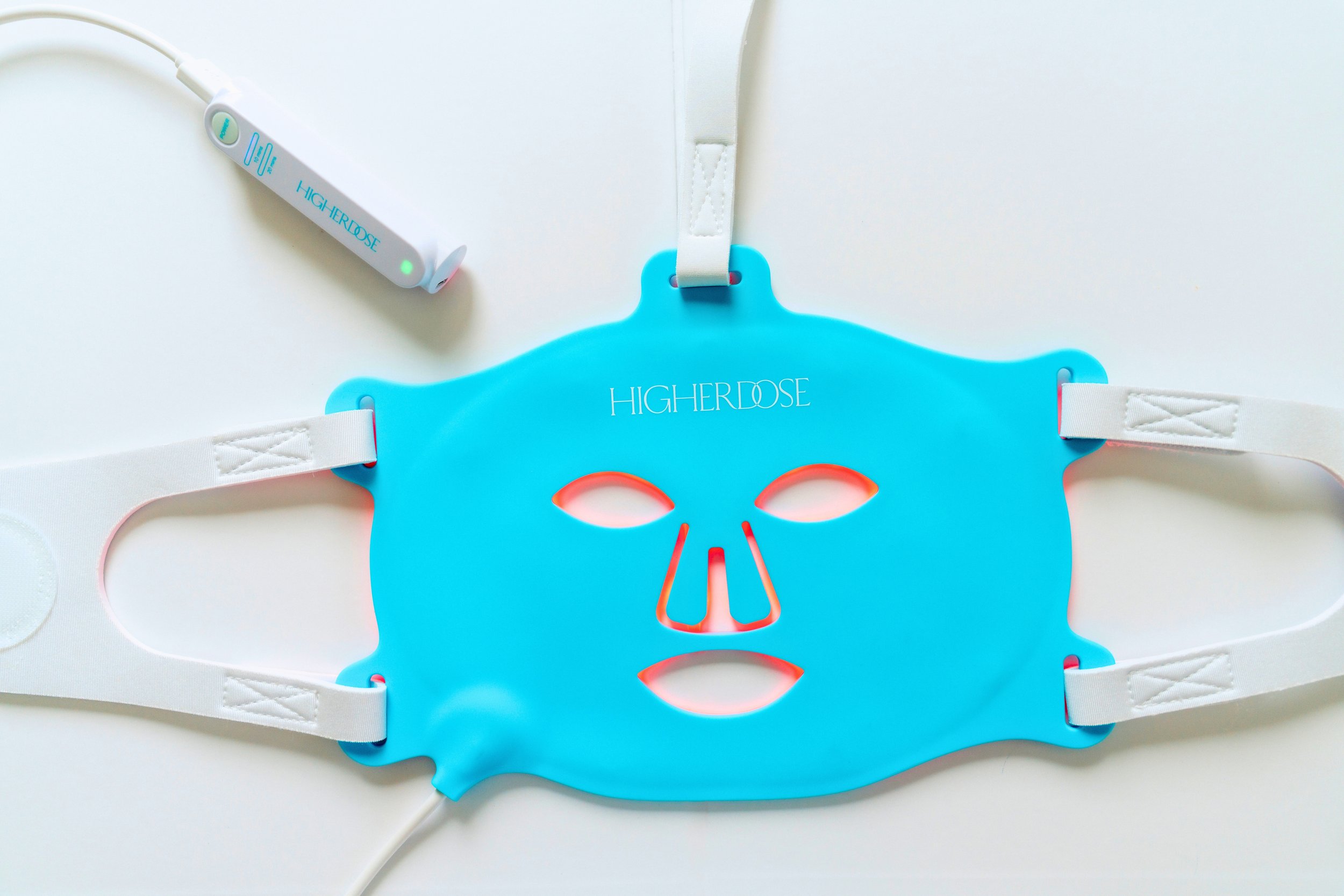
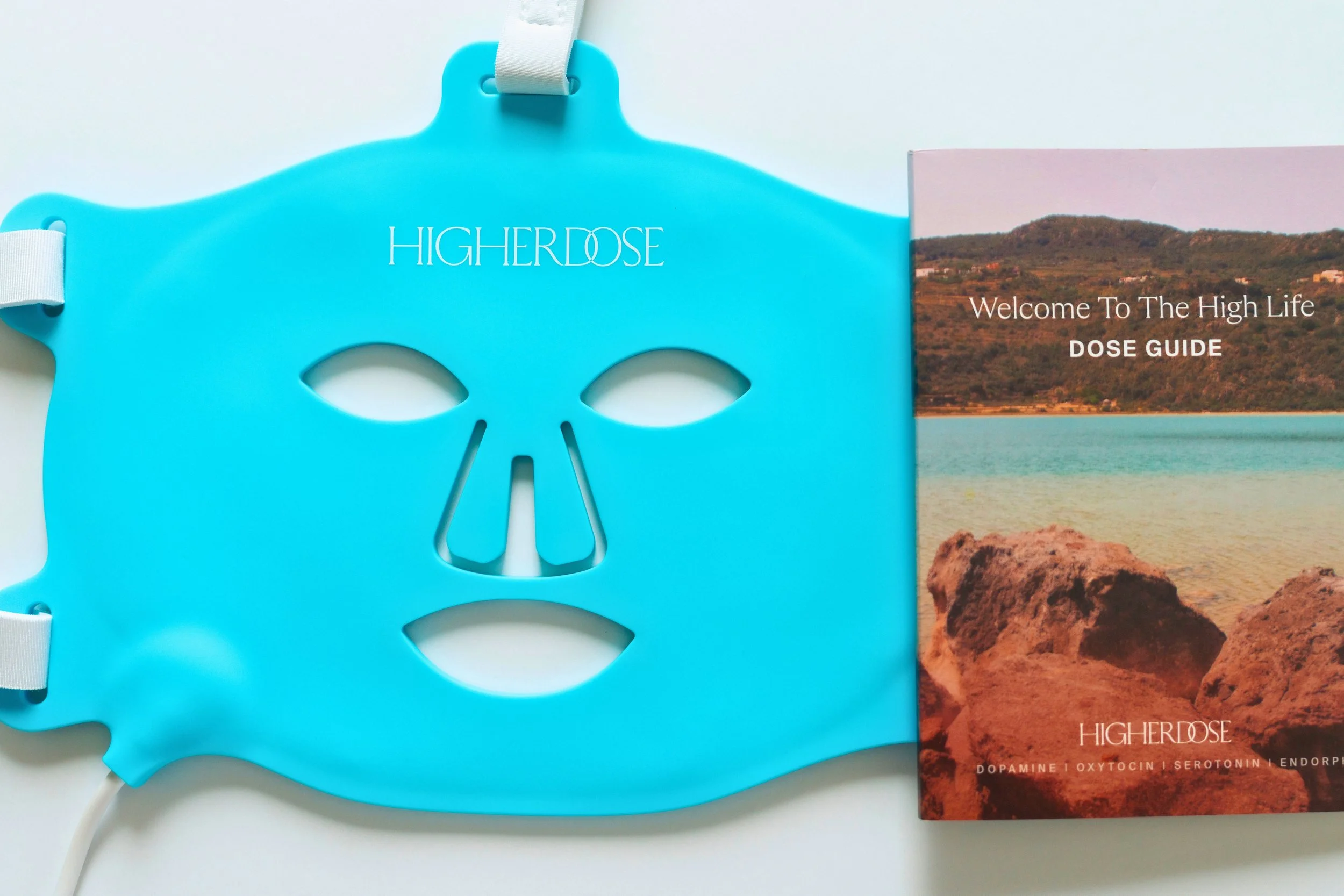
We're excited to now offer a professional-quality, high-dose LED mask for purchase, so Skin Hut clients can continue their red light therapy routine between studio visits.
This isn't a basic drugstore device. It's built with meaningfully more power than typical consumer masks, which means it's genuinely capable of supporting the kind of ongoing collagen support and skin maintenance that makes red light therapy worth doing in the first place.
Benefits of adding the LED mask to your at-home routine include:
Convenience — treat your skin on your own schedule, no appointment required
Consistency — the biggest factor in getting real results from red light therapy is regular use, and having the device at home makes that realistic
Maintaining facial results — extend the benefits of your in-studio treatments between visits
Professional-grade power — a meaningfully stronger dose than typical consumer LED masks
Ongoing collagen support — because collagen production responds to consistent stimulation over time, not a single session
Comfortable design — the adjustable strap that goes over the head helps distribute the mask’s weight more evenly, reducing pressure on the bridge of the nose compared with masks that rely solely on a strap around the back of the head.
Ask about the LED mask at your next visit, or reach out to add one to your skincare routine.
Add Red Light Therapy to Your Next Facial
One of the easiest ways to experience professional red light therapy is to simply add it onto a facial you're already booking. It pairs beautifully with nearly any treatment on our menu, whether you're coming in for our Signature Facial, a Customized Facial built around your specific skin goals, or a treatment focused on acne treatments or anti-aging treatments.
Because our red light therapy is professionally administered, it's stronger than what you'd get from a typical consumer device — and it's integrated directly into your facial, so it's working in tandem with the cleansing, exfoliation, and serums your esthetician selects for your skin that day.
If you're not sure whether to add it, ask your esthetician during your consultation. We'll walk you through what to expect based on your specific skin concerns.
Why Choose The Skin Hut in Kailua?
Living on Oahu means our skin faces a unique set of demands — daily UV exposure, humidity, salt water, and an active, outdoor lifestyle that most skincare routines simply weren't built for. At The Skin Hut, we built our studio around that reality.
We're a boutique facial studio in the heart of Kailua, which means your treatment is never rushed or generic. Every visit starts with a real conversation about your skin — what's changed, what's bothering you, what you're hoping to see — and we build your treatment plan from there.
What sets us apart:
Personalized skincare — no two facials at The Skin Hut are exactly alike
Results-driven treatments — we use professional-grade technology, including red light therapy, chosen for what the research actually supports
A relaxing, luxury experience — your hour with us is a genuine reset, not just a transaction
Customized facial treatments — tailored to your skin type, your concerns, and the demands of island living
If you're searching for a luxury facial Kailua locals trust, or simply looking for the best facial Oahu has to offer with real, visible results, we'd love to have you in the studio.
Frequently Asked Questions
How often should you use red light therapy? For professional treatments, adding red light therapy to a facial every few weeks tends to work well alongside your regular facial schedule. For at-home devices like our LED mask, consistency matters most — research on LED masks generally used protocols of two to three sessions per week over several weeks to see measurable results.
Can red light therapy replace Botox or injectables? Red light therapy works differently than Botox — it doesn't relax muscles, it supports your skin's own collagen production and repair processes. Many clients use it as a non-invasive alternative or complement to more invasive procedures, particularly for early signs of aging or as a maintenance step between other treatments.
Who should avoid red light therapy? People taking photosensitizing medications, those with photosensitive epilepsy, active skin cancer in the treatment area, or certain autoimmune conditions should consult a physician first. Pregnant clients should also check with their OB-GYN, particularly for treatment near the abdomen.
Does red light therapy hurt? No. Most clients describe it as a warm, gentle sensation with no discomfort — and no downtime afterward.
How soon will I see results? Because red light therapy works by supporting your skin's natural processes, results build gradually with consistent use rather than appearing after a single session. Clinical studies generally show visible improvement over several weeks of regular treatment.
Your Next Step: Book a Facial in Kailua
Red light therapy isn't a fad — it's a research-backed, non-invasive way to support your skin's collagen production, calm inflammation, and maintain that healthy, resilient glow that island living demands.
Ready to see what it can do for your skin? Book a customized facial at The Skin Hut in Kailua, ask about adding professional red light therapy to your treatment, and talk to your esthetician about whether our new high-dose LED mask is a good fit for your at-home routine.
📍 The Skin Hut | 418A Kuulei Rd. Suite G, Kailua, Oahu | (808) 200-4408